Product Description
Technical Specification
| EC No. | 200-662-2 |
| Boiling Point | 56.05 Degree C |
| Melting Point | -94.7 Degree C |
| Density | 25 DegreeC |
| Chemical Formula | C3H6O |
| Usage/Application | Industrial Equipment Cleaning |
| CAS No | 67-64-1 |
| Purity % | 98% |
| Physical State | Liquid |
| Grade Standard | Industrial Grade |
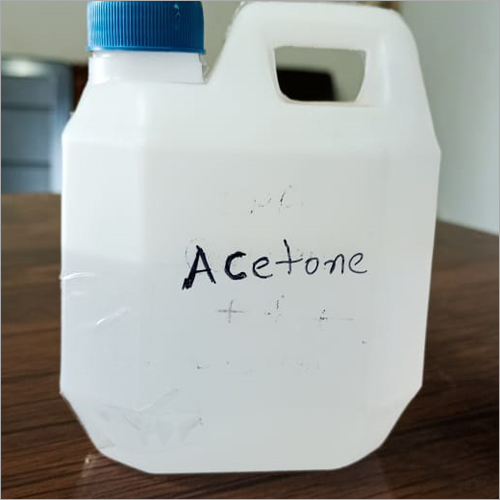
Wide-Ranging ApplicationsAcetone serves as a solvent in paints, coatings, adhesives, pharmaceuticals, and cosmetics. It efficiently removes residues, dissolves various substances, and plays a critical role in plastic production and laboratory extraction processes. Its rapid evaporation and miscibility with many chemicals make it a preferred choice across industries.
Safety and Handling PrecautionsGiven acetone's high flammability and ability to cause serious eye irritation, it's crucial to use proper protective equipment and ensure good ventilation. Store acetone in tightly closed containers in cool, well-ventilated areas, away from ignition sources. Always adhere to recommended safety protocols to prevent hazardous incidents.
Environmental and Transport ConsiderationsAcetone is considered biodegradable and classified as a volatile organic compound. Its transport complies with UN 1090 regulations (Class 3 flammable liquid), requiring suitable packaging for safe shipping. These measures support responsible use and mitigate environmental risks during distribution.
FAQ's of Acetone Chemical:
Q: How should acetone be stored to ensure safety and maintain quality?
A: Acetone should be kept in tightly closed containers in a cool, well-ventilated space, away from any sources of ignition or direct sunlight. This prevents evaporation, maintains product purity, and minimizes flammability hazards. Appropriate storage conditions also help retain its quality for up to two years.
Q: What are the benefits of using acetone as a solvent in industrial processes?
A: Acetone's high volatility and solubility make it an effective solvent for paints, coatings, adhesives, pharmaceuticals, and cosmetics. It can dissolve a wide range of substances quickly and evaporates without leaving residue, enhancing cleaning, extraction, and formulation efficiency in production workflows.
Q: Where can acetone be applied in laboratory settings?
A: In laboratories, acetone is commonly used as a cleaning agent, extraction solvent, and reagent for various analytical procedures. Its high purity and excellent miscibility with water and organic solvents ensure reliable and consistent results during chemical reactions and sample preparation.
Q: What safety precautions should be taken when handling acetone?
A: Due to its highly flammable nature and potential to cause serious eye irritation, acetone should be handled with suitable protective equipment, including gloves and goggles. Ensure good ventilation, and never expose acetone to open flames or heated surfaces during use or storage.
Q: How is acetone transported and what are the relevant regulations?
A: Acetone is shipped according to UN 1090 guidelines as a Class 3 flammable liquid. It is packaged in drums, IBC totes, or bottles designed to contain volatile organic compounds. These regulations ensure safe handling throughout distribution and prevent accidental spills or ignition.
Q: What ecological impact does acetone have during use and disposal?
A: Acetone is classified as biodegradable, minimizing its long-term environmental impact when used or disposed of responsibly. Its volatility, however, requires careful management due to its status as a volatile organic compound, so following safe handling and disposal procedures is essential.





 Send Inquiry