Product Description
Chemical Properties and Structure:
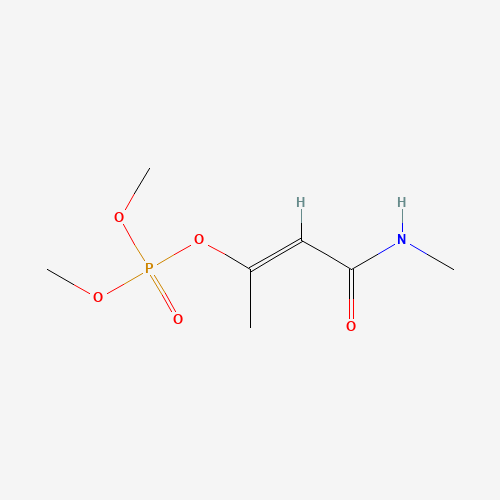
Chemical Name: Dimethyl-1-methyl-2-methyl carbamoyl-vinyl phosphate (E).
Synonyms: Azodrin, Nuvacron, SD9129.
CAS Number: 6923-39-5.
Formula: C7H14NO5P.
Molar Mass: 223.2 g/mol.
Boiling Point: 120 C.
Melting Point: 54-55C (pure).
Density: 1.33 g/cm.
Solubility: Soluble in water, acetone, and alcohol; very slightly soluble in mineral oils.
Stability: Stable when stored in glass and polyethylene containers.
Reliable Pest Control for AgricultureMonocrotophos offers farmers a powerful and fast-acting solution for controlling insects in a variety of field crops. Its dual action as both a contact and systemic insecticide ensures thorough protection against pests. The product's high solubility means it mixes easily with water for consistent spray coverage. Its compatibility with most insecticides and fungicides allows for efficient integrated pest management strategies.
Safe Handling and Storage GuidelinesGiven its classification as a highly hazardous chemical, Monocrotophos must be handled with strict safety measures. Users should always wear protective clothing and avoid skin contact or inhalation. The insecticide should be stored in a cool, well-ventilated area, away from direct sunlight and foodstuffs, with disposal following local regulations for hazardous materials.
FAQ's of Monocrotophos Chemical:
Q: How is Monocrotophos typically applied in agricultural settings?
A: Monocrotophos is mainly applied as a foliar spray for pest control on crops like cotton, rice, sugarcane, and vegetables. It provides both contact and systemic action, effectively protecting plants by being absorbed and circulated within plant tissues.
Q: What precautions should be taken when using Monocrotophos?
A: Users must wear protective clothing, avoid skin contact or inhalation, and ensure the chemical is kept out of reach of children. Since it is highly toxic, application should be performed in well-ventilated areas and according to label instructions.
Q: When does Monocrotophos expire and how should it be stored?
A: Monocrotophos has a shelf life of two years from the date of manufacture. It should be stored in its original packaging in a cool, dry, well-ventilated place, away from direct sunlight, foodstuffs, and incompatible alkaline materials.
Q: Where should Monocrotophos be disposed after use?
A: After use, empty containers and leftover chemical should be disposed of according to local hazardous waste regulations and guidelines. Never release into drains or natural water bodies due to its high environmental toxicity.
Q: What are the benefits of using Monocrotophos on crops?
A: Monocrotophos's potent action controls a broad spectrum of insect pests, reducing crop damage and supporting higher yields. Its rapid absorption and systemic properties make it particularly effective against pests that feed on both plant surfaces and internal structures.
Q: Is Monocrotophos compatible with other agrochemicals during application?
A: Monocrotophos can be safely mixed with most insecticides and fungicides, provided they are not alkaline in nature. This versatility supports integrated pest management programs on farms.






 Send Inquiry