Product Description
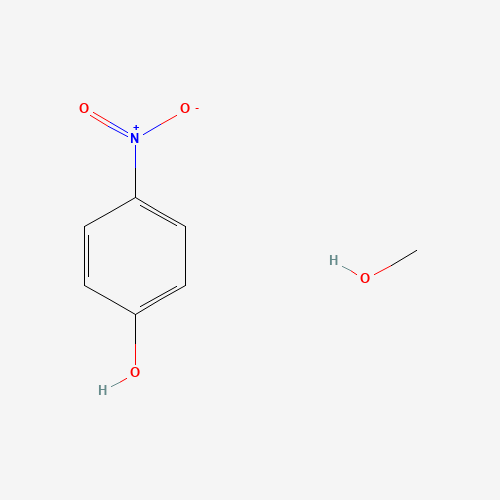
Chemical Structure: 4-Nitrophenol (p-nitrophenol) is a phenolic compound with a nitro group (-NO) attached to the benzene ring at the position opposite the hydroxyl group (-OH).
Appearance: It appears as a white to light yellow crystalline solid.
CAS Number: 100-02-7.
Chemical Formula: C6H5NO3.
Uses:
Manufacturing: Used in the production of insecticides, drugs, and synthetic colors.
Other Applications: Used to make drugs, fungicides, dyes, and darken leather.
Other Properties:
Melting Point: 110-114 C.
Boiling Point: 279 C.
Molar Mass: 139.11 g/mol.
Density: 1.48 g/cm3 (20 C).
Flash Point: 169.0 C.
Ignition temperature: 510 C.
Para Nitrophenol is produced to a minimum purity of 99%, ensuring consistent results for industrial, laboratory, and research applications. When stored as recommended-in tightly sealed containers, protected from light and moisture-this compound remains stable, retaining its quality for up to 24 months. Its crystalline, yellow appearance is a key indicator of its chemical integrity.
Versatile Industrial ApplicationsAs a crucial intermediate, Para Nitrophenol finds use in manufacturing dyes, agricultural pesticides, and pharmaceutical substances. Its additional function as a pH indicator and laboratory reagent makes it invaluable in both chemical synthesis and educational settings. Its solubility profile enhances its versatility across varied processes.
Robust Safety and Handling MeasuresGiven its toxic nature, Para Nitrophenol demands strict handling protocols. Appropriate protective clothing, gloves, and eye/face protectors are mandatory. The compound is classified under UN 1663 (Hazard Class 6.1), emphasizing the need for secure, professional management during storage and transportation.
FAQ's of Para Nitrophenol:
Q: How should Para Nitrophenol be stored to maintain its stability?
A: Store Para Nitrophenol in a tightly closed container, away from light and moisture. Proper storage prolongs its stability and maintains its appearance as a bright yellow crystalline powder for up to 24 months.
Q: What are the primary industrial and laboratory uses of Para Nitrophenol?
A: Para Nitrophenol is used as an intermediate in the production of dyes, pesticides, and pharmaceuticals. It also serves as a chemical indicator and reagent in laboratories, assisting in analytical and synthesis processes.
Q: When is it necessary to use protective equipment with Para Nitrophenol?
A: It is essential to use suitable protective clothing, gloves, and eye or face protection whenever handling Para Nitrophenol due to its toxic nature. This precaution helps prevent exposure by inhalation, skin contact, or accidental ingestion.
Q: Where can Para Nitrophenol be transported and under what regulations?
A: Para Nitrophenol can be transported globally by authorized suppliers, manufacturer, importer, exporter, or trader with adherence to UN 1663 (Hazard Class 6.1, Toxic substances) regulations to ensure safety during transit.
Q: What is the process for using Para Nitrophenol as a pH indicator?
A: In laboratory settings, Para Nitrophenol is dissolved in hot water or alcohol due to its enhanced solubility. Its color change under varying pH levels makes it reliable for indicating acidity or alkalinity.
Q: What are the benefits of using Para Nitrophenol with high purity?
A: Using high-purity Para Nitrophenol (99% minimum) provides reliable, consistent results in both industrial synthesis and laboratory experiments, minimizing impurities and unwanted reactions.





 Send Inquiry