Product Description
Chemical Class:
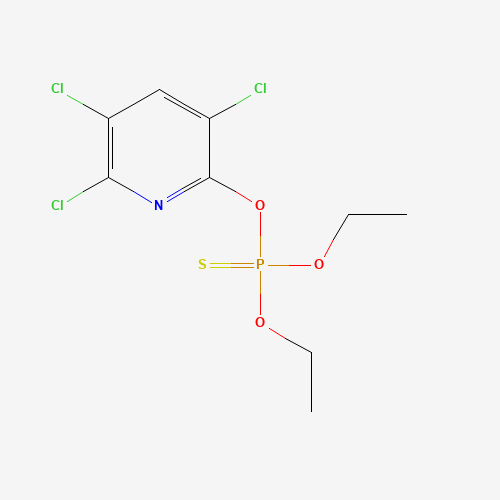
Chlorpyrifos belongs to the organophosphate family of chemicals.
Appearance:
It's a white or colorless crystalline solid with a mild, mercaptan-like odor.
How it works:
Chlorpyrifos inhibits the enzyme acetylcholinesterase, disrupting nerve function in insects and potentially in humans.
Uses:
Agriculture: Used to control various insect pests on crops like corn, cotton, and fruits.
Non-agricultural: Used for termite control, mosquito control, and in some pet flea and tick collars.
Effective Pest Control for Multiple CropsChlorpyrifos insecticide delivers reliable control of a wide range of insect pests, including both chewing and sucking varieties. Registered for use on cotton, paddy, soybean, sugarcane, vegetables, and fruit crops, it ensures healthy plant growth and better yields. The formulation offers versatility and is suited to local agricultural needs.
Stable Formulation and Safe PackagingEmulsifiable Concentrate (EC 50%) and other specialized formulations of chlorpyrifos are available for different application needs. The product remains stable under normal storage conditions and is packaged in robust HDPE drums, bottles, or bulk containers, ensuring safety during transport and handling.
Responsible Usage and Environmental PrecautionsChlorpyrifos is classified as WHO Class II (moderately hazardous) and bears the signal word 'caution'. It should be handled with care to minimize risks to non-target insects and aquatic organisms. Proper storage, application, and disposal as hazardous waste per local regulations are essential for environmental protection.
FAQ's of Chlorpyrifos Insecticide:
Q: How should Chlorpyrifos Insecticide be stored for optimal stability?
A: Chlorpyrifos should be stored in a cool, dry, and well-ventilated area away from food and feed to maintain its stability and ensure a shelf life of up to 2 years from the date of manufacture.
Q: What is the recommended dosage and application process for Chlorpyrifos?
A: The standard dosage for Chlorpyrifos Insecticide ranges from 1 to 1.5 liters per hectare, depending on crop and target pest. It is recommended to follow local agricultural guidelines and dilute according to manufacturer instructions before applying as a foliar spray.
Q: When is it most beneficial to use Chlorpyrifos on crops?
A: Application is most effective during the active infestation or early signs of pest presence, targeting chewing and sucking insects. Routine pest scouting helps determine the optimal application timing.
Q: Where can Chlorpyrifos be applied in agricultural settings?
A: Chlorpyrifos is registered for use on cotton, paddy, soybean, sugarcane, vegetables, and fruit crops to control a variety of harmful insect pests. It should not be used near water bodies due to its toxicity to aquatic organisms.
Q: What precautions should be taken when handling and disposing of Chlorpyrifos?
A: Personal protective equipment must be worn during handling to avoid skin and eye contact. Dispose of Chlorpyrifos as hazardous waste, following local environmental regulations, to prevent contamination and harm to non-target species.
Q: How does Chlorpyrifos benefit crop yield and protection?
A: By inhibiting acetylcholinesterase in target pests, Chlorpyrifos provides rapid and effective pest control, leading to healthier crops and improved yields.
Q: Is Chlorpyrifos compatible with other pesticides, and what should be avoided?
A: Chlorpyrifos is generally compatible with most pesticides except alkaline materials. Always consult compatibility data before tank mixing to prevent adverse reactions.






 Send Inquiry