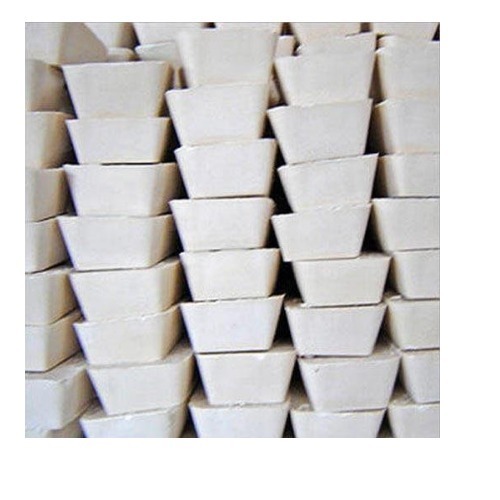
Diafenthiuron Chemical

Diafenthiuron Chemical

1150 INR/Kilograms

Product Details:

  • Density 0.1 Gram per cubic centimeter(g/cm3)
  • Smell Odorless or mild odor
  • Ph Level Not determined / Not applicable
  • Solubility Insoluble in water, soluble in organic solvents
  • Melting Point 120122C
  • Storage Store in a cool, dry place away from sunlight
  • Purity 98% Min
  • Click to View more
X

Diafenthiuron Chemical Price And Quantity

  • 1150.00 - 1500.00 INR/Kilograms
  • 1150 INR/Kilograms
  • 100 Kilograms
  • Inhibits mitochondrial ATP synthase, leading to paralysis and death of insects
  • Stable under normal storage conditions
  • >150C
  • Wettable powder (WP), suspension concentrate (SC), emulsifiable concentrate (EC)
  • 2.5 10 Pa (25C)
  • Decomposes before boiling
  • Fiber drum, HDPE drum, or bags
  • Compatible with most commonly used pesticides except alkaline substances
  • WHO Class III (slightly hazardous)
  • Toxic to aquatic organisms

Diafenthiuron Chemical Product Specifications

  • 98% Min
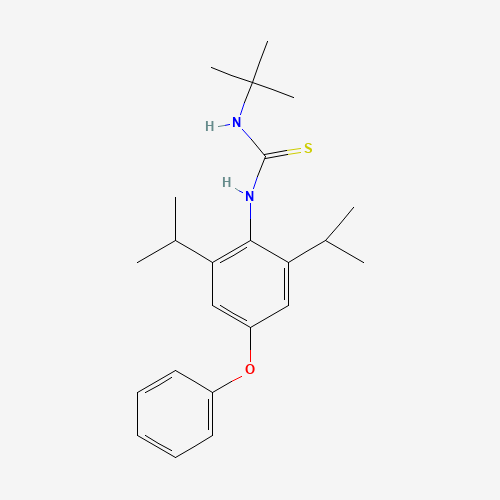
  • [See chemical structure]
  • Not determined / Not applicable
  • 38089190
  • Odorless or mild odor
  • 0.1 Gram per cubic centimeter(g/cm3)
  • Insoluble in water, soluble in organic solvents
  • Not determined / Not applicable
  • 120122C
  • Store in a cool, dry place away from sunlight
  • Diafenthiuron 98% TC
  • Control of whiteflies, aphids, jassids, and mites on cotton and vegetables
  • Powder
  • 616-418-6
  • Technical
  • Crystalline
  • White to off-white powder
  • YES
  • C23H32N2OS
  • Agricultural pesticide for insect control
  • Not determined / Not applicable
  • Insecticide; white to off-white crystalline powder; high efficacy, low toxicity to humans; acts as a pro-insecticide.
  • 2 years in original, unopened packaging
  • 80060-09-9
  • Agricultural / Technical Grade
  • 384.58 g/mol
  • Inhibits mitochondrial ATP synthase, leading to paralysis and death of insects
  • Stable under normal storage conditions
  • >150C
  • Wettable powder (WP), suspension concentrate (SC), emulsifiable concentrate (EC)
  • 2.5 10 Pa (25C)
  • Decomposes before boiling
  • Fiber drum, HDPE drum, or bags
  • Compatible with most commonly used pesticides except alkaline substances
  • WHO Class III (slightly hazardous)
  • Toxic to aquatic organisms

Product Description

  • Chemical Class:
    Diafenthiuron is an aromatic ether, specifically a thiourea acaricide and insecticide. 
    Mechanism of Action:
    It acts by inhibiting oxidative phosphorylation in the mitochondria of target pests, leading to paralysis and death. 
    Solubility:
    It is highly soluble in organic solvents but has low aqueous solubility, meaning it's unlikely to leach into groundwater. 
    Persistence:
    It is not persistent in most soil systems but may persist in aquatic systems. 
    Toxicity:
    It has low mammalian toxicity but can be moderate to highly toxic to aquatic life, bees, and worms. 
    Uses and Applications:
    Target Pests: Effective against a wide range of sucking pests and mites, including aphids, whiteflies, thrips, jassids, and spider mites. 
    Crops: Used in various crops, including cotton, fruit trees, ornamentals, and soybeans. 
    Formulations: Available in various formulations, including 50% WP and 47.8% w/w SC. 
    Brand Names: Sold under brand names like Derby, Diron, Pegasus, Polar, Polo, and Pager. 
    Other names: 1-tert-Butyl-3-(2,6-diisopropyl-4-phenoxyphenyl)-thiourea, N-[2,6-Bis(1-methylethyl)-4-phenoxyphenyl]-N-(1,1-dimethylethyl)-thiourea 
    CAS number: 80060-09-9 
    Molecular weight: 384.58 


High-Efficiency Insect Control

Diafenthiuron offers exceptional efficacy in managing a wide spectrum of agricultural pests, especially on cotton and vegetables. Its mode of action ensures comprehensive protection by targeting mitochondrial ATP synthase in insects, resulting in rapid paralysis and death. This makes it an essential tool for farmers seeking reliable pest control with low toxicity to humans.


Stable and Versatile Formulations

Available as wettable powder, suspension concentrate, or emulsifiable concentrate, Diafenthiuron suits diverse agricultural practices. Its chemical stability and compatibility with most commonly used pesticides (except alkaline substances) ensure its effectiveness across different spraying regimens, while its long shelf life and flexible packaging options provide added convenience for storage and transport.


Safe Handling and Environmental Considerations

While Diafenthiuron is only slightly hazardous to humans (WHO Class III), it is highly toxic to aquatic organisms. It should be handled with care and stored in a cool, dry location away from direct sunlight. Following application guidelines and observing environmental safety measures are essential for optimal pest control and minimal ecological impact.

FAQ's of Diafenthiuron Chemical:


Q: How is Diafenthiuron applied for crop pest control?

A: Diafenthiuron is formulated as a wettable powder (WP), suspension concentrate (SC), or emulsifiable concentrate (EC), allowing flexible application according to crop and pest type. It is typically diluted and sprayed directly onto crops to manage insect pests like whiteflies, aphids, jassids, and mites.

Q: What pests does Diafenthiuron effectively control?

A: Diafenthiuron provides effective control of whiteflies, aphids, jassids, and mites, making it especially valuable for use on cotton and a variety of vegetables.

Q: When should Diafenthiuron be used during the crop cycle?

A: Diafenthiuron should be applied when pest infestations are first observed or as recommended in integrated pest management guidelines for optimal protective results and crop health.

Q: Where should Diafenthiuron be stored to maintain its efficacy?

A: Store Diafenthiuron in a cool, dry place away from sunlight, in its original, unopened packaging. This preserves its stability and effectiveness over its two-year shelf life.

Q: What are the main safety and compatibility considerations when using Diafenthiuron?

A: Diafenthiuron is compatible with most common pesticides except alkaline substances. Protective gear should always be worn during handling and application, and care should be taken to prevent contamination of aquatic environments due to its toxicity to aquatic organisms.

Q: What are the benefits of using Diafenthiuron over other insecticides?

A: Diafenthiuron acts as a pro-insecticide with high efficacy, rapid action, and relatively low toxicity to humans, making it a dependable choice for crop protection. Its stability, varied formulations, and packaging grant versatility to farmers and distributors alike.

Tell us about your requirement
product

Price:

Quantity
Select Unit

  • 50
  • 100
  • 200
  • 250
  • 500
  • 1000+
Additional detail
Mobile number

Email

Other Products in 'Industrial Chemical' category


Back to top