Product Description
Product Details :
CAS Number : 7722-84-1
Grade: Technical
Formula : H2O2
Density: 1.45 g/cm
Molar mass: 34.0147 g/mol
Boiling point: 150.2 C
Classification: Reactive oxygen species
Application : Wastewater Treatment, Disinfectant, Food Processing, Bleaching Agent.
Versatile Industrial ApplicationsHydrogen Peroxide is valued across multiple sectors, including textile, pulp and paper, water treatment, and laboratories. Thanks to its powerful oxidizing capabilities and relative ease of handling when stored correctly, it is an indispensable reagent for chemical synthesis, bleaching, and disinfection processes, ensuring both effectiveness and cost-efficiency for industrial users.
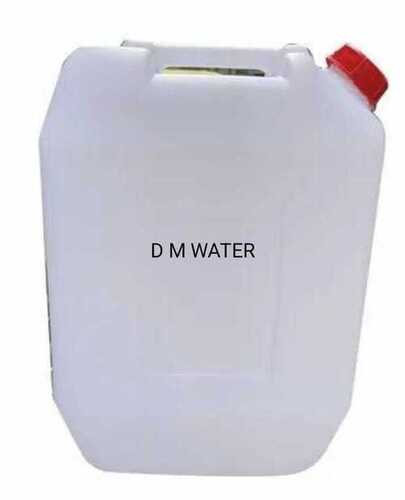
Safe Handling and StorageProper storage and handling are essential to maintain the stability and effectiveness of Hydrogen Peroxide. Store the solution in plastic or amber glass bottles with vented caps to prevent pressure buildup, and keep it away from heat and direct sunlight. Personal protective equipment such as gloves, goggles, and protective clothing is vital to minimize exposure risk, as the chemical can cause burns and is harmful if ingested.
FAQ's of Hydrogen Peroxide:
Q: How should Hydrogen Peroxide be safely stored and handled?
A: Hydrogen Peroxide should be kept in a cool, dry, and well-ventilated area, away from heat sources and direct sunlight. Use plastic or amber glass containers with vented caps to prevent pressure buildup. Always wear gloves, goggles, and protective clothing while handling, and ensure proper ventilation to reduce inhalation risk.
Q: What are the recommended uses and benefits of Hydrogen Peroxide?
A: Hydrogen Peroxide is frequently used as a bleaching agent in textiles and pulp industries, a disinfectant, a water treatment chemical, and a laboratory reagent. Its primary benefit lies in its potent oxidizing ability, which makes it efficient at breaking down contaminants, disinfecting surfaces, and facilitating chemical reactions.
Q: When does Hydrogen Peroxide decompose, and what are its by-products?
A: Hydrogen Peroxide decomposes slowly, especially in the presence of light, heat, or catalysts. Its decomposition results in water and oxygen, both of which are harmless. Proper storage extends its shelf life to about one year under recommended conditions.
Q: Where can Hydrogen Peroxide be applied in an industrial setting?
A: Industrially, Hydrogen Peroxide has applications in bleaching textiles, treating wastewater, disinfecting surfaces, and serving as a reagent for chemical synthesis. It is also commonly found in laboratories for various experimental purposes and analysis.
Q: What processes should be followed in case of accidental exposure to Hydrogen Peroxide?
A: In the event of skin or eye contact, immediately flush the affected area with plenty of water for at least 15 minutes and seek medical attention. If ingested, do not induce vomiting; instead, rinse the mouth and get medical help immediately. Ensure that safety protocols are followed during any handling or cleanup to minimize risk.
Q: How does Hydrogen Peroxide interact with other substances?
A: Hydrogen Peroxide is highly reactive and acts as an oxidizing agent, which means it can react vigorously with many organic and inorganic materials. Always check compatibility before mixing it with other chemicals, and prevent any contact with flammable substances or reducing agents.



 Send Inquiry