Product Description
Chemical Formula: C9H12
Structure: A benzene ring with an isopropyl group attached.
Production:
Friedel-Crafts Alkylation: Benzene reacts with propylene (or isopropyl chloride) in the presence of a Lewis acid catalyst (like AlCl3).
Cumene Process: A major industrial process uses cumene as an intermediate to produce phenol and acetone.
Properties:
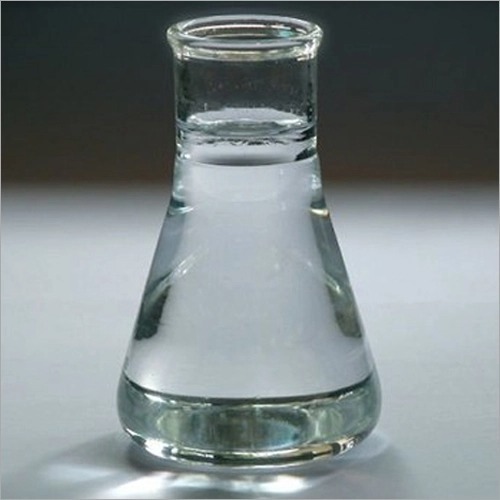
Colorless liquid with a gasoline-like odor.
Boiling point: 152.4 Deg C
Molar mass: 120.19 g/mol
Uses:
Production of Phenol and Acetone: Cumene is oxidized to form cumene hydroperoxide, which then rearranges to yield phenol and acetone.
Solvent: Used as a solvent in paints, lacquers, and enamels.
Fuel Blending: Sometimes blended into gasoline.
Applications and UsagesIsopropyl Benzene plays a significant role in chemical industries, particularly in the manufacturing of phenol and acetone via the Cumene process. Its use as a solvent and an intermediate also extends to the production of resins and antioxidants. Thanks to its high purity, it is suitable for numerous organic synthesis reactions and is widely distributed and exported by suppliers in India.
Safety and Handling PrecautionsDue to its flammability and toxicity, Isopropyl Benzene should be stored in tightly sealed containers within cool, ventilated areas. Appropriate protective equipment, such as gloves and goggles, is recommended when handling. Avoid sources of ignition and take measures to prevent environmental exposure, as it is hazardous to aquatic organisms.
FAQ's of Isopropyl Benzene:
Q: How should Isopropyl Benzene be stored to maintain its stability and shelf life?
A: Isopropyl Benzene should be stored in tightly closed containers in a cool, well-ventilated area away from sources of ignition. Proper storage ensures stability and extends its shelf life to up to two years.
Q: What are the main industrial applications of Isopropyl Benzene?
A: Isopropyl Benzene is primarily utilized as an intermediate in the production of phenol and acetone, and as a solvent in the synthesis of resins and antioxidants.
Q: Where is Isopropyl Benzene commonly used?
A: It is commonly used in chemical manufacturing plants, organic synthesis laboratories, and industries involved with resins and antioxidant production.
Q: When is Isopropyl Benzene most beneficial in a chemical production process?
A: Its greatest benefit is during the Cumene process, where it acts as a precursor to produce phenol and acetone, essential chemicals for various industrial applications.
Q: What safety measures should be followed while handling Isopropyl Benzene?
A: Personnel should wear suitable protective equipment, avoid inhalation or contact with skin and eyes, and strictly keep the product away from ignition sources due to its flammable nature.
Q: How is Isopropyl Benzene transported and packed safely?
A: It is typically packed in steel drums or ISO tanks, classified under Hazard Class 3, Packing Group III, and transported in compliance with IMDG and IATA regulations to ensure safety and environmental protection.





 Send Inquiry